
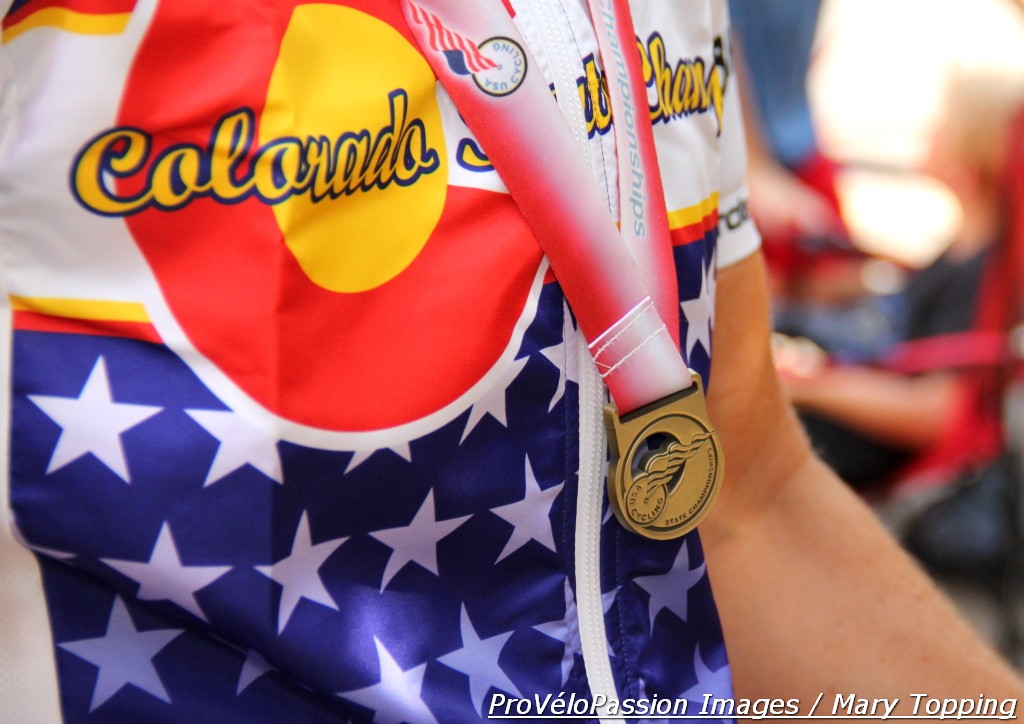
[updated 7/16/2013]
Jennifer Triplett (Boulder Orthopedics) and Brad Bingham (Horizon Panache) took first in the Pro-1-2 women’s and men’s categories of the 2013 Colorado State Criterium Championships at Sunday’s Longmont Criterium.
The victories demonstrated not only the pair’s strength as cyclists, but showed an athlete can start racing as a junior or an adult and find success either way.
Junior champ
This year the Longmont race celebrated its 27th edition. Riders competed on a 0.7 mile L-shaped course near downtown, speeding under towering Cottonwood trees and along streets lined with bungalow-style homes still adorned with Fourth of July flags.
The men’s Pro-1-2 race began hot with riders including Groove Subaru-Alpha Bicycle’s Russell Stevenson, Jon Tarkington (Natural Grocers Cycling Team), and Alex Lewis of Horizon Panache attacking but never pulling far away from the field. Racing continued in a cycle of attacks and reabsorption of the would-be break-aways by a hungry chasing field.
In the final lap Lewis picked up the pace at the front where Bingham and Primal’s Drew Christopher joined him. “Drew jumped right before the last corner and pretty much led me out which was awesome,” Bingham said. “I felt a little bad getting him on the line there but he’s a good friend. We have a little bit of rivalry going back and forth.”
Light-headed from his effort, the Horizon Panache rider almost lost his balance on the finish line as he raised his arms to barely shoulder height before planting them back on the bars. The new champ was elated about topping off a winning weekend for Horizon Panache; teammates scored victories the day before at the Firestone Classic criterium and in the omnium at the U.S. Grand Prix of Sprinting.
The win didn’t mark a first state championship for 26 year-old Bingham, who stated he netted more than one championship as a junior.
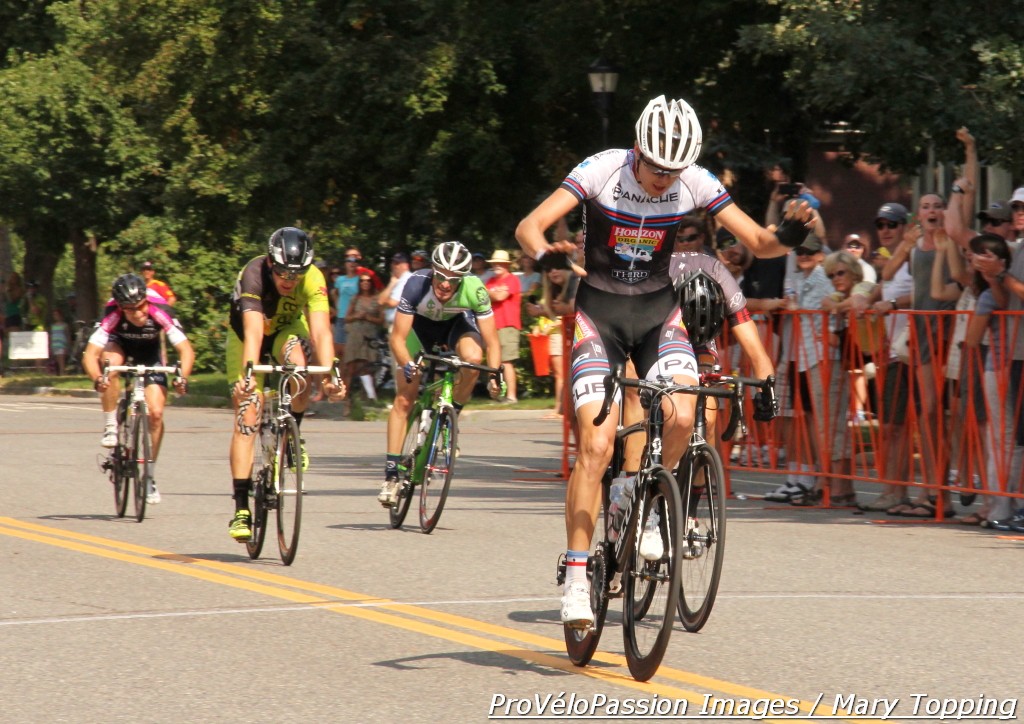
Brad Bingham seeks balance as he wins the 2013 Colorado State Criterium Championship race in Longmont
Adult start
Triplett is 35 years-old and began competitive cycling at age 25. She’s a previous track masters national champion, has stood on several elite track national podiums, and has earned first in multiple criteriums. Prior to cycling she threw punches in the ring. In 2001 she traveled to the first women’s boxing world championships as an alternate.
“Getting beat in the head lost its appeal after a while,” Triplett wrote after the criterium championships, “and the perfect storm found me commuting to work by bike and quickly realizing I enjoyed the hour commute more than the work itself and I re-prioritized my life around cycling.” She’s using her talents for others too, riding as pilot on a tandem with a blind stoker, Shawn Cheshire, for the U.S. Paralympic team. The duo will ride at the World Championships this August in Canada.
The new female champ won Sunday almost three seconds ahead of Gwen Inglis on Team Kenda p/b RACC. As Triplett told it, Margell Abel (Natural Grocers Cycling Team) attacked the field with a few laps remaining. Then Anne Donley (Rise Above Racing) had a go and opened a gap with half a lap remaining. Natural Grocers’ Kate Powlison chased and caught Donley with Triplett who subsequently rode away to first place.
Triplett and Bingham embraced cycling at different ages. But that didn’t appear to create different post-race experiences. Seemingly magnets for ambitious youth, each attracted a couple of young fans. They also each enjoyed the special attention of another type of fan – their respective fiancés.

Women’s Colorado criterium championship podium – Kate Powlison 4th, Gwen Inglis 2nd, Jennifer Triplett 1st, Molly VanRheen 3rd, Margell Abel 5th (l – r), the top five Colorado-based riders.
Gallery
-

- Field chasing mid-way into Pro-1-2 men’s CO State Criterium Championship race
-

- Longmont home on criterium course
-
- Chasing Pro-1-2 men’s field at 2013 Longmont Critierium
-
- Pedal p/b Cannondale Devo rider takes up the chase in Pro-1-2 men’s CO State Criterium Championship race
-

- Drew Christopher finishes second in 2013 men’s Pro-1-2 CO State Criterium Championships
-

- 2013 CO State Crit Champs Pro-1-2 men’s podium – Lance Sulzen 4th, Drew Christopher 2nd, Brad Bingham 1st, Michael Giem 3rd, Ian Holt 5th
-
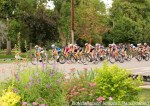
- SW3 field at 2013 Longmont Criterium
-

- SW3 field at 2013 Longmont Criterium
-

- Gage Hecht and John Klish (r – l) try to break from the SM3 field at CO State Crit Champs
-
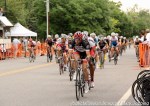
- SM3 field early in 2013 Longmont Criterium
-
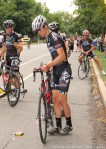
- Liam Dunn at junior rollout after SM3 CO State Crit Champs race
-
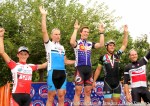
- 2013 CO State Crit Champs SM3 men’s podium – Gage Hecht 4th, Ben Sharp 2nd, George Simpson 1st, William Nabours 3rd, John Klish 5th
-

- 2013 Longmont Criterium women’s Pro-1-2 non-champs podium – Gwen Inglis 2nd, Jennifer Triplett 1st, Raquel Miller 3rd (l – r)

Mont Ventoux seen from Carpentras (photo by Véronique Pagnier (Own work) [CC0], via Wikimedia Commons)
He leaves the familiar green and brown landscape as he rises above Mont Ventoux’s lower slopes. Now lifeless rock surrounds him, reflecting and intensifying the sun’s heat. Already breathless and depleted from the physical effort of climbing for miles, exposure to wide-open sky magnifies human frailty.
There’s nowhere to hide. Fears leak out, feed on themselves, and spiral out of control. After all, others have lost lives here.
And so the mind questions if breath will cease which makes it come too fast. Progress seems to slow every second until it seems he’s going backwards. Maybe the heart will explode, splattering red on baked white limestone.
These are the thoughts that can occupy a man’s mind on Mont Ventoux when the 2013 Tour de France scales its slopes tomorrow. That’s why Ian Chadband rightly questions the seemingly unstoppable Chris Froome’s domination of that mountain in a U.K. Telegraph story written yesterday.
A Washington Times piece quoted the Team Sky rider as saying, in response to the minute he lost on Friday’s windy stage, “I think there will be more time won and lost on a stage like Ventoux.”
Is Froome right?
Prior to this year’s 100th edition, the race has ended only eight times on the Giant of Provence. Juan Manuel Garate (Rabobank), Richard Virenque (Domo-Farm Frites), and Marco Pantani (Mercatone Uno-Albacom) won here in 2009, 2002, and 2000. The 2009 and 2002 winners came victorious from break-aways. Pantani attacked the lead group multiple times starting at 6.5 kilometers from the finish line. The fifth placed rider finished 48 seconds behind the Italian; the top ten on GC changed slightly with three men dropping below tenth and three moving up into their spots.
In 2009 the top GC contenders finished within about 30 seconds of each other. But in 2002 Lance Armstrong (U.S. Postal) finished about two minutes ahead of Joseba Beloki (ONCE) who was second on GC going into the stage.
So Froome could widen his lead tomorrow significantly or only slightly. But one thing’s for sure. Ventoux will have a say in the matter.
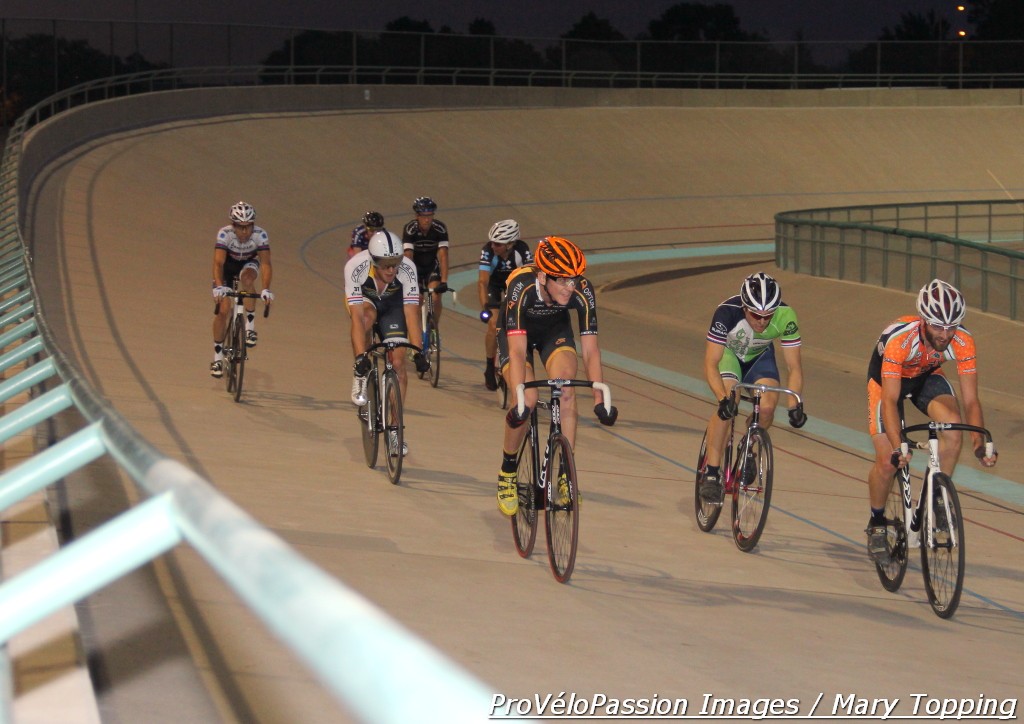
Friday night racing at the Colorado Springs Velodrome, men’s Pro 1 2 field
Even without cyclists the Colorado Springs Velodrome creates a striking impression.
The track’s light gray concrete traces an oval of straight-aways leading into steeply banked turns. Its symmetry and simplicity rests against a backdrop of pine-studded Rocky Mountains and ever-changing sky.
Adding cyclists brings the pleasure of continuous racing. Male and female athletes including amateurs and professionals, newbies and champions, sweep past the spectator stands again and again with riders jumping out of the pack to pass at high speed.

Amanda Cyr leads women’s field at Friday night Colorado Track Cup in Colorado Springs
When they let go of the velodrome’s railing for a mass start and drop into the lower section of the track these cyclists roll in fixed gear silence. Then racing and rapid breathing begins. You can’t help but admire a track cyclist’s bike handling skills on a machine with the barest essentials – frame, wheels, handlebars, saddle, pedals, and a chain that snakes around a single gear.
The Front Range cycling community can enjoy all of this during Tuesday and Friday night racing as well as special events like national championships. Newly added for 2013, the Colorado Track Cup season-long points contest began on June 27th with fields including U.S. record holder Missy Erickson, cyclocross national champion Katie Compton, national champion and Olympian Colby Pearce, and road pro-cyclist Chad Haga.
A little history
The United States Olympic Committee (USOC) established the Colorado Springs Velodrome, built in 1982, to help athletes prepare for the 1984 Los Angeles Olympics. The 333 and one-third meter concrete oval banks 35 degrees maximum on the curves.
While the USOC continues to own the structure, the Bicycle Racing Association of Colorado (BRAC) has contracted with Pat McDonough, Event Director at Summit Cycling Productions, to manage the venue’s programming as BRAC’s Track Coordinator. The Colorado Velodrome Association previously handled scheduling at the site, which according to McDonough is one of the highest elevation cycling stadiums in the world in continuous use. Altitude at the track is approximately 1,859 meters (6,100 feet).
High elevation and a smooth surface have delivered some extremely fast times from American and international athletes. Among other rides, Pearce set a U.S. hour record at this track in 1995. Last summer a handful of teams trained here to prepare for the 2012 Olympics. That included German Miriam Welte, McDonough said, who earned an Olympic gold medal after setting a world record in the 200 meter sprint on this track in the U.S. Grand Prix of Sprinting UCI event.
Speaking to ProVéloPassion, McDonough called Welte’s record in that short sprint very impressive. He thinks it suggests more milestones will be logged at this year’s Grand Prix – which adds endurance matches, and wouldn’t be surprised to see a new pursuit record.
“Altitude could play a big role. I’m impressed at how fast sprinters are going here,” he said, later sharing by email that sprinters are reaching 64 kilometers per hour (40 miles per hour) on their own steam and 80 kilometers per hour (50 miles per hour) when motor pacing.
Past events hosted at the venue as listed by McDonough include among others: over a dozen U.S. national championships, 1986 World Championships, 1991 Junior World Championships, and Para-cycling World Championships.
Increased interest and benefits
In addition to regular and special racing events, McDonough and BRAC are offering a helping hand for newcomers, a four-session “Learn the Velodrome” program. To date approximately twenty cyclists have signed on for the instruction, which is part of ramping up activity at this landmark cycling stadium.
“It’s July and people are saying that we probably have had more new riders on the track for June than we have for the last three to four years combined,” McDonough stated.
He went on to say that track techniques can benefit cyclists from road racers to mountain bikers and make “a huge difference” in race results. Many professional riders have started careers on the track or used it to build strength and skills.
Chad Haga, a rider on the Optum Pro Cycling p/b Kelly Benefit Strategies team who finished in the top ten overall at this year’s Tour of California, experienced his inaugural ride at this velodrome last summer after moving to Colorado Springs and raced last Friday. He began competing in the discipline several years ago.
“I enjoy the track because it’s a break from the norm. I’m a professional on the road and spend most of my time there, but track racing to me is a fun escape, a way to mix it up,” he wrote by email. “The shorter races are very high speed and the fixed gear bikes provide a unique workout…The COS track scene is pretty healthy, and as you saw Friday, there was some stiff competition that makes for great racing.”

Men’s Cat 3 field led by Jim Lawrence
McDonough is keen on enhancing the amount of competition by increasing junior participation.
“There is so much potential in Colorado Springs we are not tapping into. One for sure is kids programs,” McDonough told ProVéloPassion. A stadium is a great venue from a parent’s perspective, he explained. They can watch their children, all the action, and the interplay between coaches and athletes, much like they do in popular youth sports like soccer and baseball. He’d love to find a grant to stock more junior bikes. The lower maintenance required for fixed gear bicycles adds to the appeal for a junior track program which he hopes to get up and running by next year.
Coordination with Erie stadium
According to the new BRAC Track Coordinator, the programing in Colorado Springs has evolved in coordination with the new Erie indoor wooden track whose opening has been delayed but is now expected for later this year. The four-session newcomer program and Track Cup competition were developed together with the Erie facility. The objective is to advance the success of both sites by collaborating instead of competing.
McDonough brings to his new BRAC role experience as a 1984 Olympic silver medalist, coach, and previous Director of the Lehigh Valley Velodrome in Trexeltown, PA.
Find a calendar of events for the Colorado Springs Velodrome on the BRAC website. The Colorado State Track Championships for senior categories will take place this weekend on July 6 and 7. Sarah Hammer is among the athletes expected to participate at the Grand Prix of Sprinting on July 12 and 13. The 2013 U.S. Collegiate National Championships are scheduled for Colorado Springs in September.
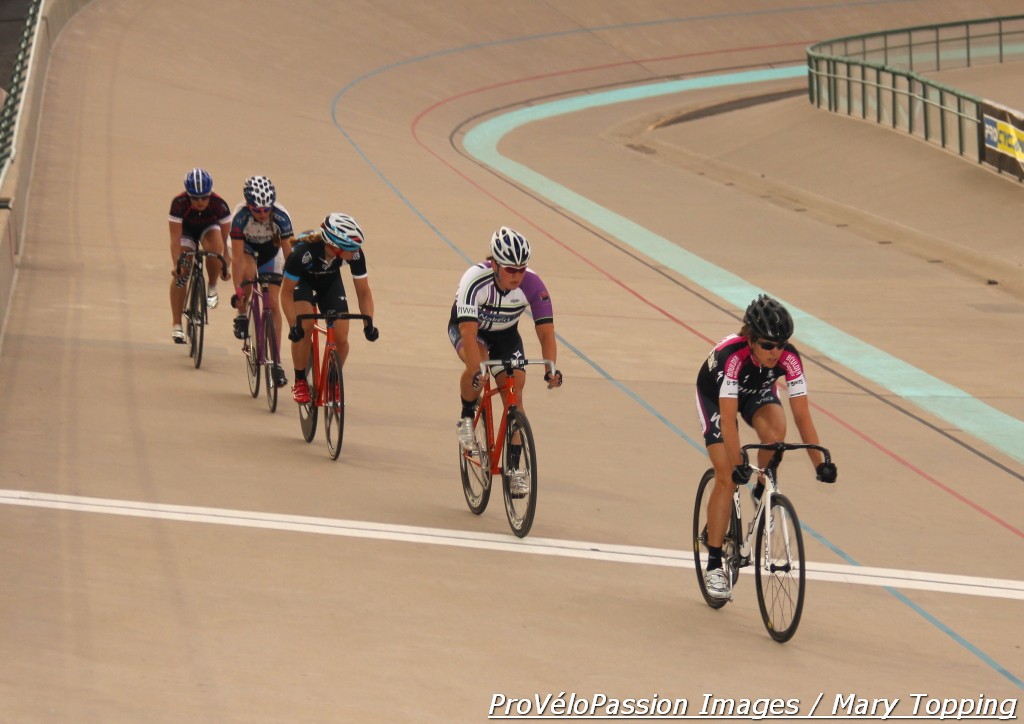
Jennifer Triplett on the front of a women’s field during a Friday night race at the Colorado Springs Velodrome

Colombian flag
[updated July 2, 2013]
It might be a longshot.
But Nairo Quintana could wear yellow after tomorrow’s team race against the clock in France. It would be the first time a Colombian cyclist has donned the TDF leader’s jersey since Victor Hugo Pena wore it ten years ago in 2003
Why Movistar?
Quintana’s Movistar team has improved its performance in this special discipline since it finished in 19th place at the last TDF TTT in 2011. Things seemed to turn around in 2012. The Spanish team won the team race against the clock in last year’s Vuelta a Espana.
This year the TTT has appeared in only two World Tour events. Movistar placed second in both, at Tirreno-Adriatico and the Giro, losing to Omega Pharma-Quick Step and then Sky. The team held a late March TTT-focused camp at a motorsports circuit in Spain after Tirreno which likely contributed to its Giro results.
But pre-Giro podium results hint at a pro-cycling squad that works well together and has become a force in the TTT.
The competition
Tomorrow’s 25 kilometer course resembles Tirreno’s more so than the Giro’s undulating route with lots of corners. All but one of the twenty-two teams have a man placed within one second of leader Jan Bakelants (RadioShack Leopard) and they’ll all hunt for the honor of yellow on the Promenade des Anglais. Argos-Shimano’s best-placed rider on GC is Tom Dumoulin who trails the lead bunch by 13 minutes.
Another Colombian rides in the TDF this year, Jose Serpa on Lampre-Merida. The Italian team could find a top ten result but based on recent performances isn’t as likely to move a man into the yellow jersey.
Judging by RadioShack Leopard’s tenth and fourteenth places in Tirreno and the Giro, the odds are pretty good another team will claim the leader’s spot tomorrow. If not Movistar, Garmin-Sharp, Astana, Sky, and Omega Pharma-Quick Step are favorites. Tony Martin’s post-crash form could dull the latter’s chances and injuries sustained by Sky’s Ian Stannard and Geraint Thomas could hurt that team’s performance.
By straight math Quintana’s chances for yellow are one in 196 — that’s the number of riders who completed Stage 3. Even if Movistar wins tomorrow, he would have to cross the Nice finish line first ahead of teammates who likely covet the leader’s jersey. That includes team leader Alejandro Valverde who’s targeting the podium this year.
———-
Note: This piece is proof that passion can be blind. It fails to recognize that going into the TTT Valverde is 19th on GC ahead of Quintana who is 33rd. If Movistar wins the TTT, the Spaniard would wear yellow, making Quintana’s chances much more than a longshot, because it is unlikely the team would shed Valverde on the course. The point however remains that Movistar can deliver an excellent time in Nice.
This year the Larry H. Miller Utah stage race passes through notable desert areas in the southern part of the state that will challenge the riders with heat and altitude while offering stunning scenery. These photos show a bit of the type of landscape to expect there, especially on the Tour of Utah Stage 2 roads, which may just win the prize as the most scenic day in this year’s edition of the race.
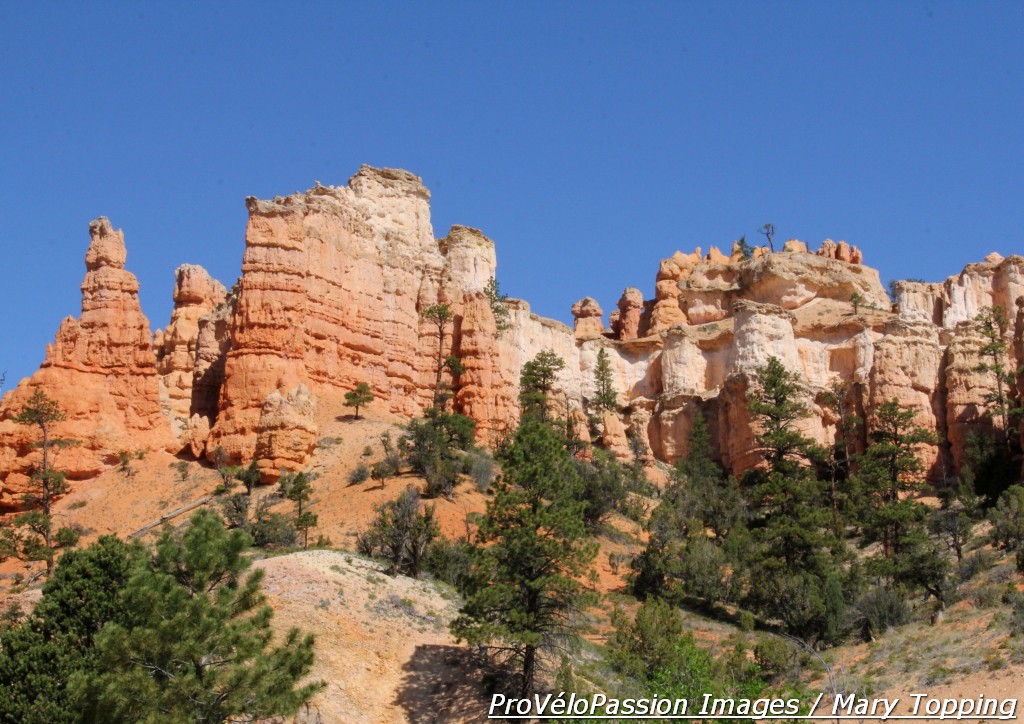
View of north end of Bryce Canyon National Park from Route 12 near Ruby’s Inn
The route swings by Bryce Canyon and through the Grand Staircase Escalante National Monument during the first half of Stage 2. Like this year’s Tour of California finish in Palm Springs in the Sonoran Desert, there’s nowhere to hide from the sun on that stretch of southern Utah pavement.
Average temperatures there reach 89 degrees Fahrenheit (32 Celsius) in August with a record high of 104. So while it doesn’t look like riders will face the 114 degrees of that California finish, team soigneurs will no doubt still prepare ice packs and plenty of water bottles to help the riders avoid the effects of high temperatures and the risk of heat exhaustion – weakness, reticence to eat, nausea, and muscle cramps, among other symptoms.

View near the town of Escalante, Utah in Grand Staircase Escalante National Monument. There’s a coffee shop on the hill here.
Although a factor, the Utah Stage 2 heat likely won’t become as significant as in Palm Springs because it should mostly affect the first half of the stage. But it could play a role for any riders off the front fighting for KOM points on the climbs before mile 60 (kilometer 96). Aggressive riding in extremely hot conditions can be risky, as Tejay Van Garderen (BMC) noted after that Tour of California stage when he spoke about following the attack by Jamis Hagens Berman’s Janier Acevedo: “When he attacked, I was scared to go into the red because in this heat sometimes if you go over your limit just a little bit, you just can’t recover.”
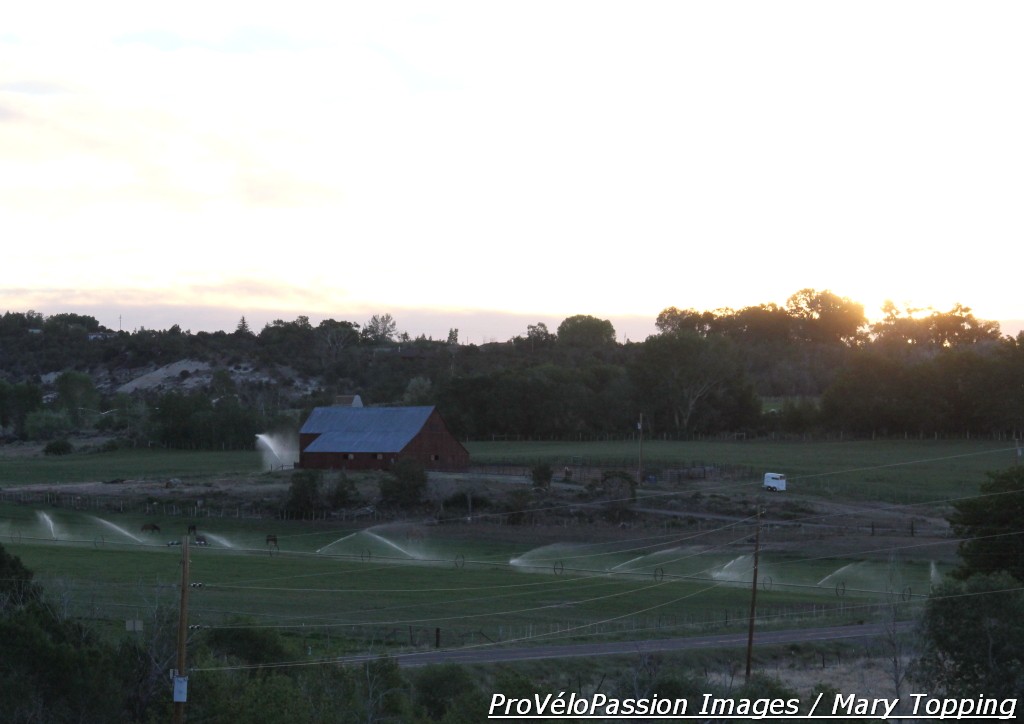
Sunrise near Boulder, Utah on Route 12. The green fields and pine trees in Dixie Forest are a big surprise after the desert rock formations.
The second half of the stage will bring the riders shade and cooler temperatures as they enter the coniferous Dixie National Forest, but they’ll have to climb up to 9,600 feet before descending into the Torrey finish and a slightly uphill last two miles.
This Tour of Utah stage also differs from California Stage 2 in elevation. Palm Springs sits at 440 feet (134 meters) whereas Stage 2 Utah elevation doesn’t dip below 5,190 feet (1,582 meters). The effects of altitude are greater above 5,000 feet, but racing at a mile high or so may exacerbate the heat’s impact for some riders.
The stage maps on the Tour of Utah website provide some useful tools. Mouse over the profile and you can see where that coincides with the route on the road map. There’s an option to view grade as well.
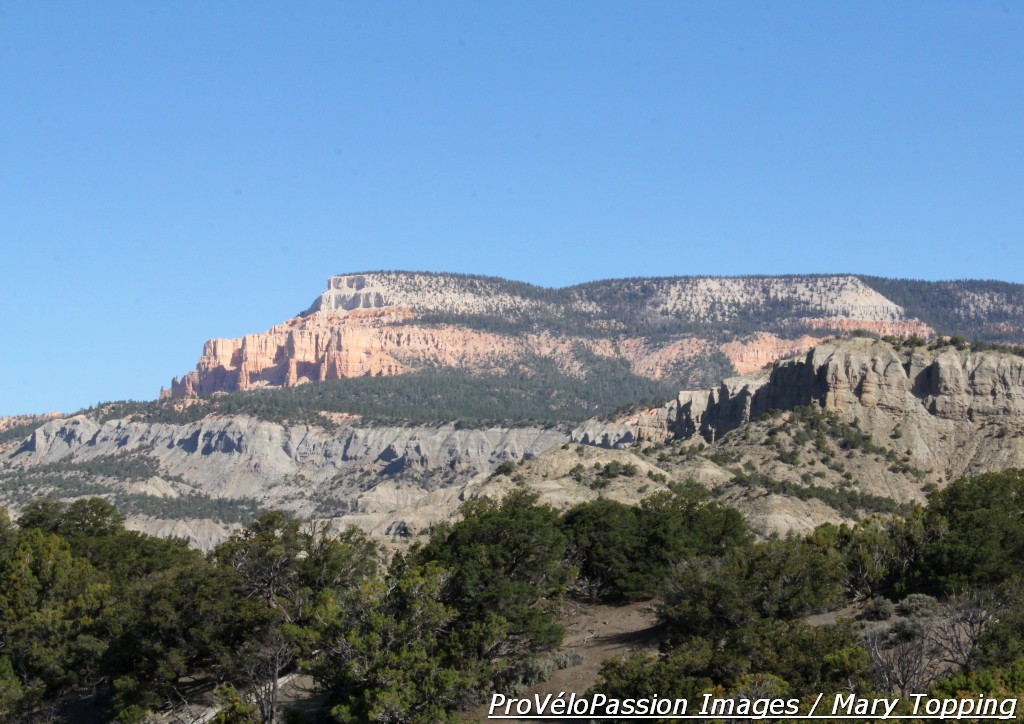
Powell Point reveals the different layers of Utah canyon rock. The top Claron Formation or Pink Cliff layer is prevalent in Bryce Canyon.

James Peterman (Sonic Boom Racing) on the far end of the 2013 Colorado Time Trial Championship course
A flat individual time trial course could be called boring. But that doesn’t make it easy.
This year the Colorado state TT championships moved to a route out of Keenesburg east of the Front Range, where tractors and hay trucks outnumber passenger cars on straight roads and hay fields stretch as far as the eye can see.
Nearly all of the senior category riders faced down a 40 kilometer out and back course with a short out and back section tacked on near the end. A few senior age groups rode the 20 kilometer version.
With few trees in the fields the wind goes wherever it pleases here. It blew mostly from the west during the event.
James Peterman (Sonic Boom Racing), winner of the senior men Pro-1-2 race, almost crashed when a gust of wind threw him off balance as he tried to get a drink of water.
Not one road on the course possessed the slightest wiggle, except the two turn around points. The longest straight ran for seven miles. The views it afforded of the competition became a double-edged sword, at times useful, at times debilitating.
“It’s pretty hard because you can see so far away, you can see your 30 second man all the way up to your two and a half minute man all in one straight,” Robin Eckmann (California Giant Berry Farms/Specialized) said after the race. “You think, ‘Oh, I can catch them right away,’ because they are right up there, then you go a little bit harder and then all of a sudden you just crack with the wattage and it’s really hard to keep it up.”
Last year’s champion Eckmann, a strong time trialist and recent winner of Durango’s Iron Horse Bicycle Classic TT and overall, appeared to have an off day after a week of what he described as “ups and downs.”
No one could catch Peterman. The younger of the Eckmann brothers, Yannick, also on the Cal Giant team, tried to hold the Sonic Boom rider’s pace after getting passed by him, but Peterman was too fast, he said. “I couldn’t stay on him, and I went all out, even more than I could hold on. I was doing probably like 340 to 350 watts behind him and he was still pulling away from me…”
Peterman won in 48:21, a minute and a half ahead of second place Andrew Hemesath (Primal Wear – McDonald – Audi).
This season’s results sheets at local TT courses seem to come pre-printed with Peterman’s name at the top. A cat 1 rider from Boulder with a racing age of 28, this year he’s also won Haystack, the Superior Morgul Classic TT, and Boulder Orthopedics TT.
The cat 1 rider explained he enjoys the race against the clock. “I like going fast and it’s just a lot of fun, so if you’re having fun doing it, then it’s good.
“I was hoping to finally win one of these,” he said after the race. “I’ve gotten second here the past two years in a row.”
2013 John Stenner Memorial CO Time Trial Championships, SM Pro-1-2 Top Ten
| 1 | James Peterman | Sonic Boom Racing | 48:21 |
| 2 | Andrew Hemesath | Primal Wear – McDonald – Audi | 49:48 |
| 3 | Kevin Nicol | Natural Grocers Cycling Team | 49:56 |
| 4 | Robin Eckmann | Cal Giant Berry Farms/Specialized | 50:12 |
| 5 | Christopher Carr | Simple Racing | 50:20 |
| 6 | Yannick Eckmann | Cal Giant Berry Farms/Specialized | 50:27 |
| 7 | Colby Pearce | GS Ciao | 50:35 |
| 8 | Matt Lyons | Primal Wear – McDonald – Audi | 51:20 |
| 9 | William Buick | Natural Grocers Cycling Team | 51:34 |
| 10 | Nicholas Applegate | Cycleton | 51:50 |
xx
Gallery
-

- Robin Eckmann halfway into the 2013 CO TT Championships
-
- Rio Grande and Natural Grocers riders in Keenesburg
-
- Keenesburg, Colorado road
-
- James Peterman about to catch Yannick Eckmann
-
- Phillip Gronniger, Groove Subaru – Alpha Bicycle
-
- Yannick Eckmann
-
- Nicholas Applegate (Cycleton) placed 10th at the 2013 Colorado TT champs
-

- Robin Eckmann on the out and back spur
-
- Tractor at work during the TT in Keenesburg
-
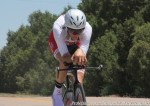
- James Peterman (Sonic Boom Racing), 2013 Colorado Time Trial Championship course
-

- 2013 CO TT Champs SM Pro 1 2 podium

Don’t let the teddy bear fool you.
It may have kept one of nearly 90 kids company at night, but during the day these young cyclists at junior road camp in Loveland, Colorado were anything but soft.
The youngest practiced drills over and over and rode into strong headwinds. The seventeen year-olds put in many miles on the road, wearing out their coaches and chaperones. As hard as they worked, they enjoyed time getting to know each other and making new friends in a sport that’s not the most popular on the block.
Read about one day at that late April camp weekend in this story published by USA Cycling.

Mini Classic road race, men’s 17 – 18 lead group in the valley north of Silt, CO
[updated 5/27/2013]
Hot. No shade. Never flat. Windy. Hard. That describes Sunday’s 2013 Colorado Mini Classic road race circuit, whether it was the 14 mile loop for the younger cyclists or the 18 mile loop for the 17 – 18 and U23 categories.
The Mini Classic is a time to make friends, trade tips, and cheer for your teammates in different age groups.
But it’s also serious business. Even for 10 – 12 year-olds. Arriving at the road race on Sunday with the phrase “be at the front after the neutral start” planted in their heads by coaches, parents, or previous racing experience, these kids shot into the open spaces remaining in the first row on the start line after the official called up the top five placed riders from yesterday’s individual time trial.
The men’s 15 – 16 age group is the largest field at the event with 32 riders. This group contested a two hour road race over 42 miles. The video below highlights scenes from one of the longer climbs in the 14 mile circuit and the east-west rolling roads. It concludes with post-race interviews with winner Gage Hecht (Specialized) who ended the day first in the omnium classification, and third and fourth overall Sam Rosenberg and Cameron Beard of the Hutch’s team from Oregon.
Post Road Race Video
xx
Gallery
-

- Ian McPherson’s lucky bike tail gets rolled out
-
- Silt, Colorado wagon wheel
-
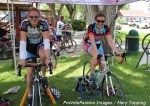
- Kirsten Williams and Savannah Adams warming up
-
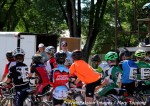
- Mike explains rules and what to expect
-

- Savannah Adams posts up for a happy 3rd in the 17-18 road race, Erin Quinn 4th
-

- Nolan Herzog wins men’s 13-14 road race
-
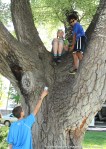
- Post-race tree climbing
-
- Black Sheep team BBQ
-

- Bike throw skills on display in 13 – 14 group
-

- Mini Classic road race, men’s 17 – 18 lead group in the valley north of Silt, CO
Most cycling fans know the Red Zinger Bicycle Classic evolved into the Coors Classic, but probably aren’t acquainted with the rest of the Red Zinger family tree.
Starting in 1981 cyclists aged 10 to 15 advanced their skills in a five day Colorado stage race called the Red Zinger Mini Classic. It ran until 1992. But it didn’t truly end.
The event and the opportunities it provided to juniors never died in the minds of some, including one alum, Jon Tarkington. In 2010 he helped to establish a new two day event for juniors under the name Mini Classic.
This year the Mini Classic turns four and unfolds over three days along the roads of Silt on Colorado’s western slope. One hundred and thirty-five juniors aged 10 to 18 together with a new category of U23 riders began the race Saturday with an individual time trial.
Encouraged by parents and each other, competitors from twelve states took off under hot sun on a five to nine mile out and back course paralleling the I-70 frontage road. Cross tailwinds and headwinds challenged the young riders and set the list of early leaders based on points.
The Mini Classic continues on Sunday with a hilly road race of 14 or 18 mile circuits from Silt into the hills and back. It concludes on Monday with a criterium around the town park.
Results should be posted on the Bicycle Racing Association of Colorado‘s website.
Gallery
-

- Cameron Beard from Oregon finished 3rd in the 15 – 16 TT
-

- Oregon’s Mike Rosenberg cheers his son Sam who placed 2nd in the 15 – 16’s
-

- Gage Hecht rides to the field’s best time of 17:15 and wins the 15 – 16 category
-

- Discussing the 17-18 Mini Classic TT, (l to r) Laurel Rathbun, Savannah Adams, Kirsten Williams
-
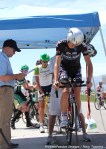
- Ian McPherson won the 17 – 18 TT on day 1 of the Mini Classic
-

- Evan Clouse from Utah competes in the TT in the 15 – 16 age group
-
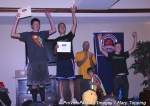
- U23 Mini Classic TT podium (l to r) Connor Livingston 2nd, Dean Haas 1st, Lucas Elms 5th
-

- Clint Bickmore recognizes the Sommers family. Bill Sommers (second from right) is the Mini Classic race director.
-
- Colorado River in Silt, Colorado
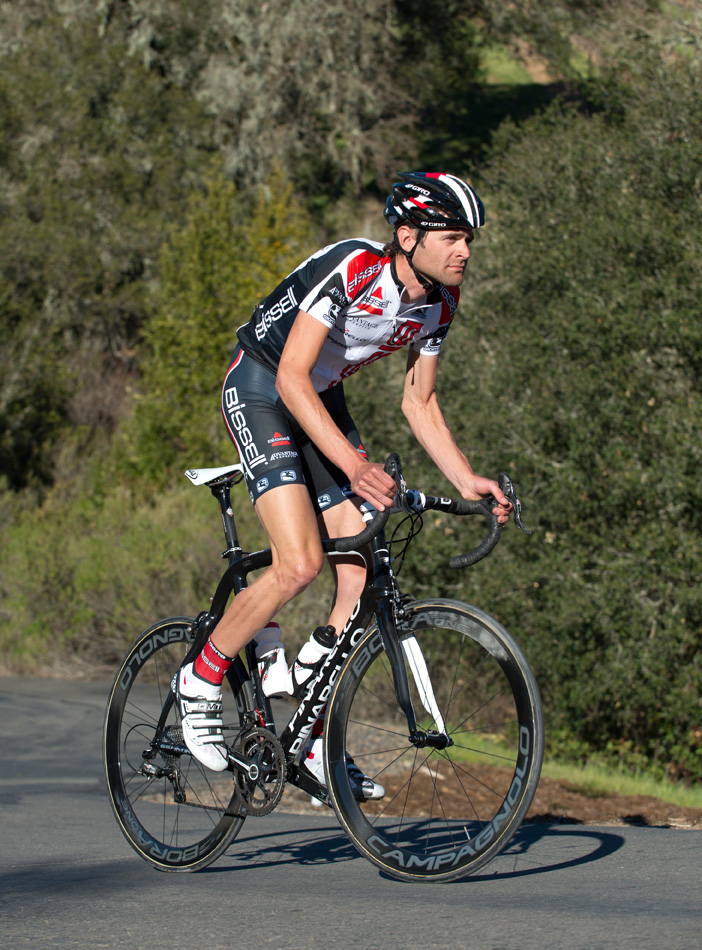
Phil Gaimon during BISSELL Pro Cycling Team training camp. Photo courtesy of BISSELL, by Casey B. Gibson
Pro-cycling fans are pretty darn smart, especially when it comes to Phil Gaimon.
In a ProVéloPassion interview with the BISSELL Pro Cycling rider before this year’s Amgen Tour of California commenced, readers chose the replies they believed Gaimon had selected to each of eight questions.
It turns out the 2009 California race mustache had a special purpose. And he thinks it would be fun to ride a ‘cross race in Belgium. Find out why below, as Gaimon’s answers to the eight questions, with new quotes and insights from this popular rider, are revealed. The answers provided by readers are indicated in parentheses after each question.
Q1. Phil Gaimon wore a mustache during the 2009 Tour of California. He ditched the ‘stache because: a. it was itchy (60%), b. it was excess weight (40%).
Phil: a. it was itchy.
“Mostly I ditched it because I knew I looked horrible. I wanted something so that my friends could find me on TV. That was the reason I grew it. My parents didn’t know what I looked like on a bike in the new team kit that year so I was like, ‘I’ll be the guy with the mustache.’” [None of Gaimon’s friends followed bike racing at the time. – ed]
Q2. If Phil was alone on a deserted island and only got one thing to eat, he would choose: a. chocolate chip cookie (96%), b. peanut butter flavored Jelly Belly candy (4%).
Phil: a. chocolate chip cookie.
“I can’t look at Jelly Bellies any more. That was a long time ago.”
Q3. Phil has typically been strong in early season because: a. success in early season races early in his cycling career has been a big motivator (52%), b. he works like a dog over winter (48%).
Phil: Mostly b., but some of a. 60/40.
Q4. Phil’s most embarrassing moment ever was: a. crashing out of the yellow jersey at San Dimas (76%), b. his teammates discovered he didn’t pack enough cookies to share with them at a race (24%).
Phil: a. crashing out of the yellow jersey at San Dimas.
“That wouldn’t be embarrassing when they found out I didn’t have enough cookies because they’d steal mine. That’s happened. Stefano Barberi used to steal my cookies at every race. I would bring cookies to the races and he would steal them. That was on Kenda in 2010. We got past it as friends, but it was one of those things where he had to hold onto it longer than it was funny.
“It was pretty embarrassing to crash on my face out of a yellow jersey. I’m not going to lie. I didn’t remember what happened in the hospital, but piecing that together — ‘Oh I just crashed in a bike race. Oh shit, I was in yellow’ — that was not easy to accept and get over. It doesn’t get a whole lot more embarrassing. [Except] maybe showing up the next day with a scary freak face, a race that the day before everyone was like, ‘Oh he’s the man,’ and now you’re the circus freak.” [The day following the crash Gaimon appeared at the San Dimas criterium stage with his teammates, “just because I wanted people to see I was alive.” – ed]
Q5. Phil was born in: a. Ohio (84%), b. The Bahamas (16%).
Phil: a. Ohio.
“I was on a team that was out of the Bahamas that one year, the VMG team – that must have been where that [Bahamian origin] came from. The sponsors were Bahamian but I’ve only been there twice. Born in Ohio but moved to Atlanta when I was two. My parents are both professors at Georgia Tech. So I grew up in Atlanta and kind of wound my way back to Athens after college.”
Q6. This is Phil’s most prized possession: a. his memories (89%), b. he loves people more than stuff (11%).
Phil: 50/50.
“I love people more than stuff but I’ve got to have some kind of prized possession. That’s tough. I guess my memories – that would be up there. I’ve had some awesome times and been to some amazing places.” [Gaimon had been asked to identify his most prized possession for use in the question. – ed]
Q7. A race Phil would most like to do that he hasn’t: a. the USA Pro Challenge in Colorado (70%), b. World Cup cyclo-cross race in Namur, Belgium (30%).
Phil: b. World Cup cyclo-cross race in Namur, Belgium – “because it’s different.”
“Do I have to race the ‘cross race or can I just eat french fries and drink beer while I watch?
“I think it would be fun to do a cross race if don’t have to do well. I could be the guy at the back taking the dollar bills out of the mud and get in the way when [Jeremy] Powers laps me. Yea, that would be fun…
“It would be more fun to do a NASCAR race. Maybe not NASCAR, maybe one of the F1 things. You should have seen me drive down the mountain just now…”
[All fun aside, it goes without saying that the BISSELL rider is very excited to have a chance to race Colorado in August. – ed.]
Q8. Something else Phil has never done but would like to try is: a. beat Tom Danielson up Mt. Lemmon (63%), b. swim with dolphins with Tom Danielson (37%).
Phil: b. swim with dolphins with Tom Danielson.
“See, if I beat Tom on Mt. Lemmon, I wouldn’t be allowed to talk about it…”

 ProVéloPassion